A Tongan Funeral
Is losing a loved one the same for all of us?

I sailed to Niuatoputapu, Tonga from American Samoa, arriving after drenching squalls. In fact, I drifted a few miles near the pass for thirty minutes as the rain fell like a curtain, closing off visibility of the island including the volcano it sits next to.
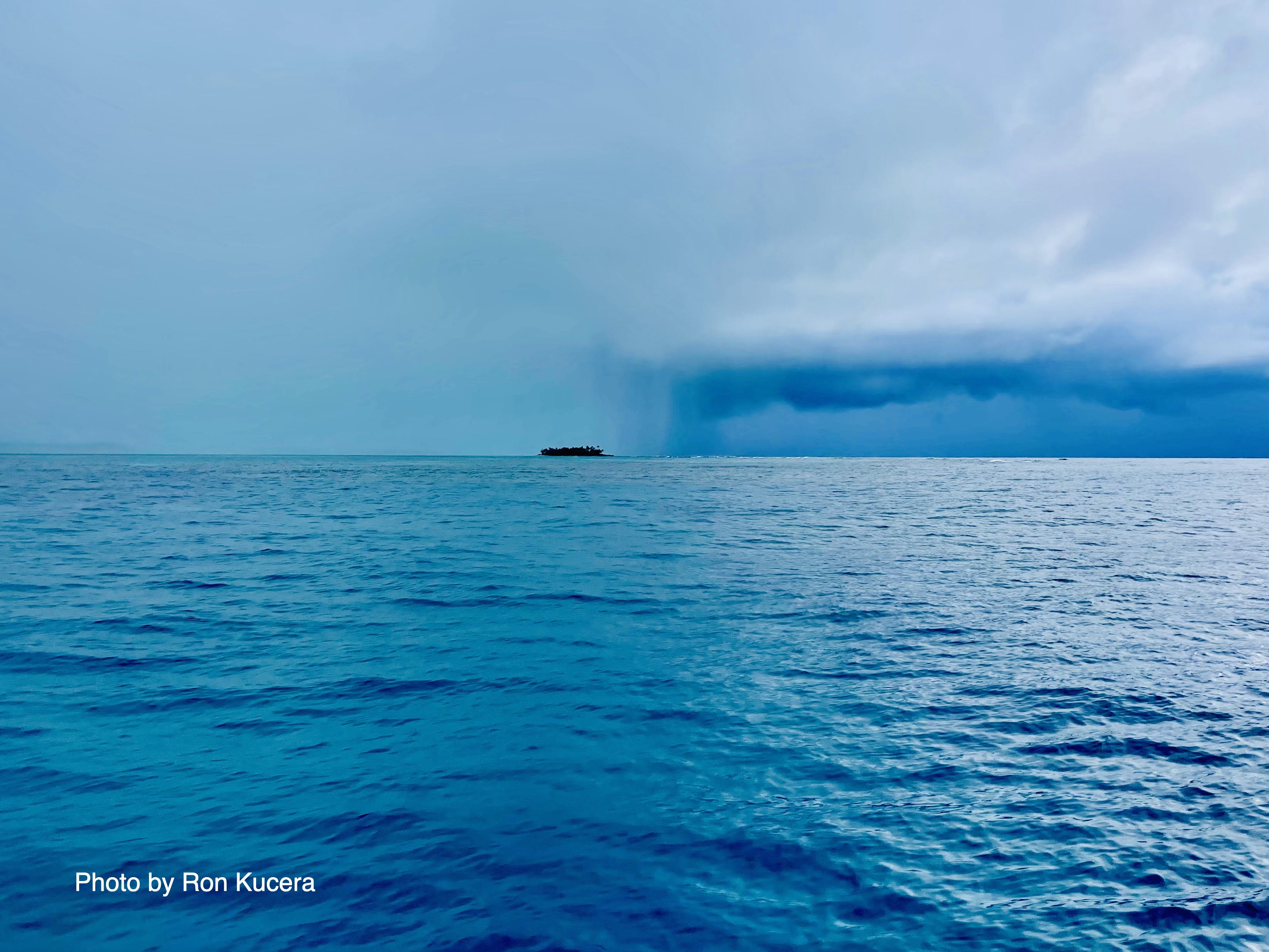
As the rain shifted to a lazy drizzle, I eased through the pass and dropped my anchor. It’s always a relief turn off my instruments, clean up my halyards and sheets and tuck my main sail into her lazy bag, as I now can rest properly and still myself from the constant attention necessary to sail single-handed.
Ten years ago I was in this same anchorage, only crewing on another boat. Not much has changed since then except customs did not eat any of my food this time like they did ten years ago.
I remember the official boarding the Halberg-Rassy I was crewing and eating the fish we just caught along with our last onion and a coveted green apple. There was nothing to be done, as he had all the power. Later I learned the island had not seen a provisioning vessel in a while, so the customs officer’s hunger was forgiven.
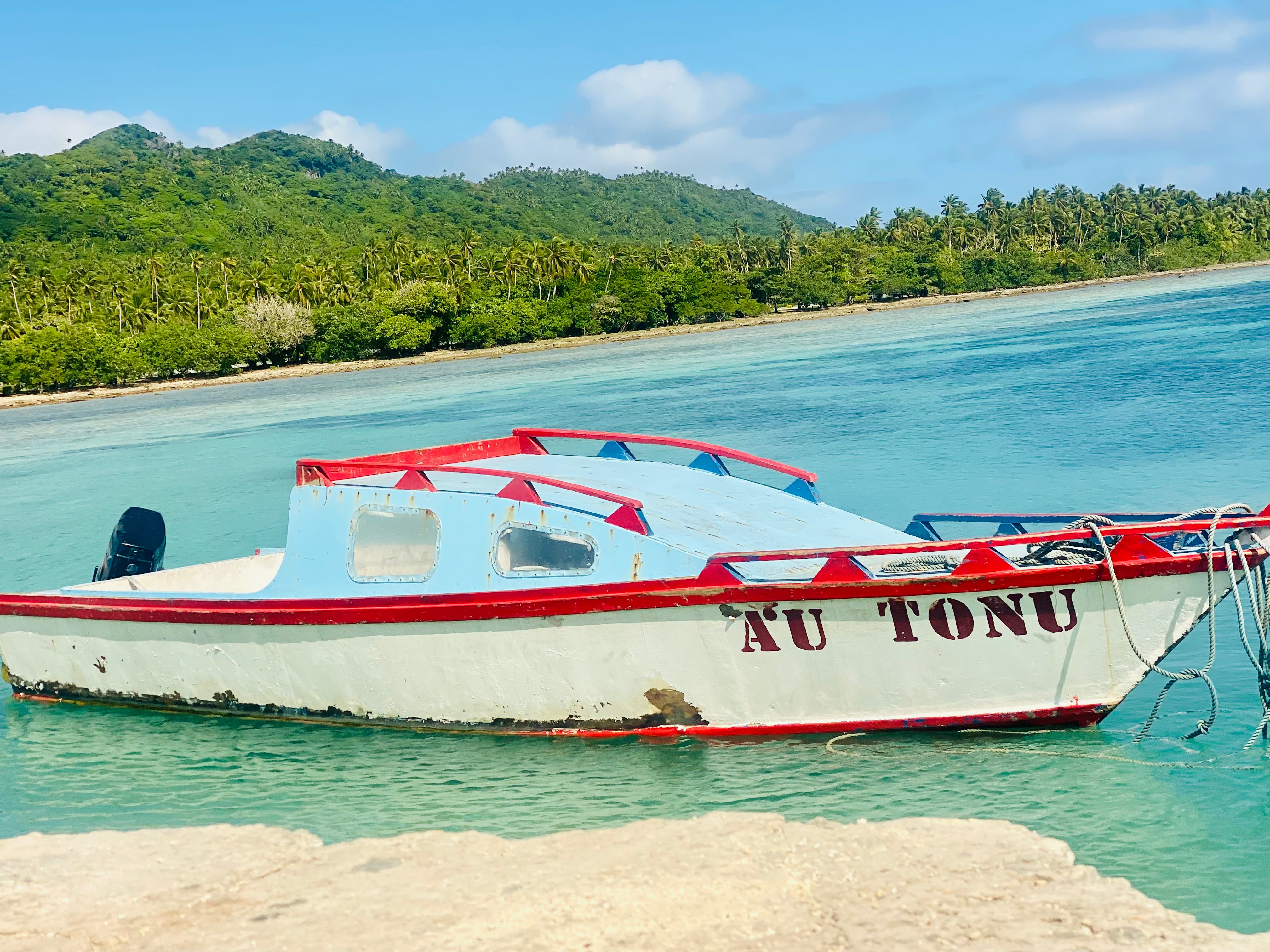
But now I see the island as a single-hander. I take my bike ashore and ride the riddled roads waving to all the kids who say ‘Bye!’ as they see me approach, and again “Bye!” as I flash a wave and peddle away. The locals are incredibly kind and open, and laugh when they see me watching the pigs -which roam everywhere- and cross the road or flee from me with a squeal.
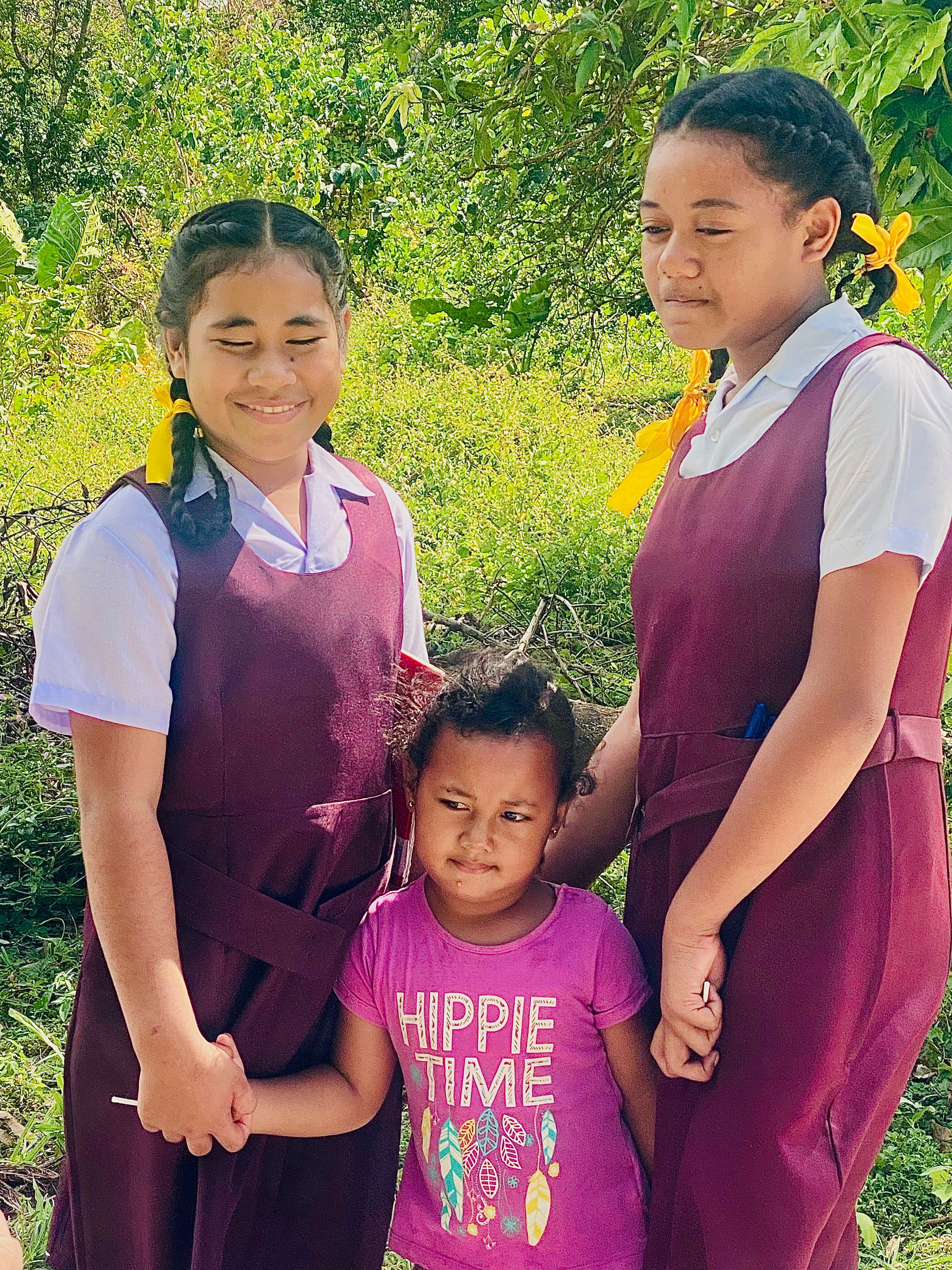
One day a local, Balavi, approaches a few of us and suggests taking us around in his truck, “A tour of the island!” he says. We eagerly agree and the next morning a Danish family of five, another single-hander and myself climb into the bed of his truck and we bump along the roads, stopping at a papaya farm, a hidden beach; swimming in a fresh spring and pulling over to acknowledge the solar ‘farm’, providing the island with power. Everywhere we went we heard the sing-song “Bye” from kids, eager to practice their English.
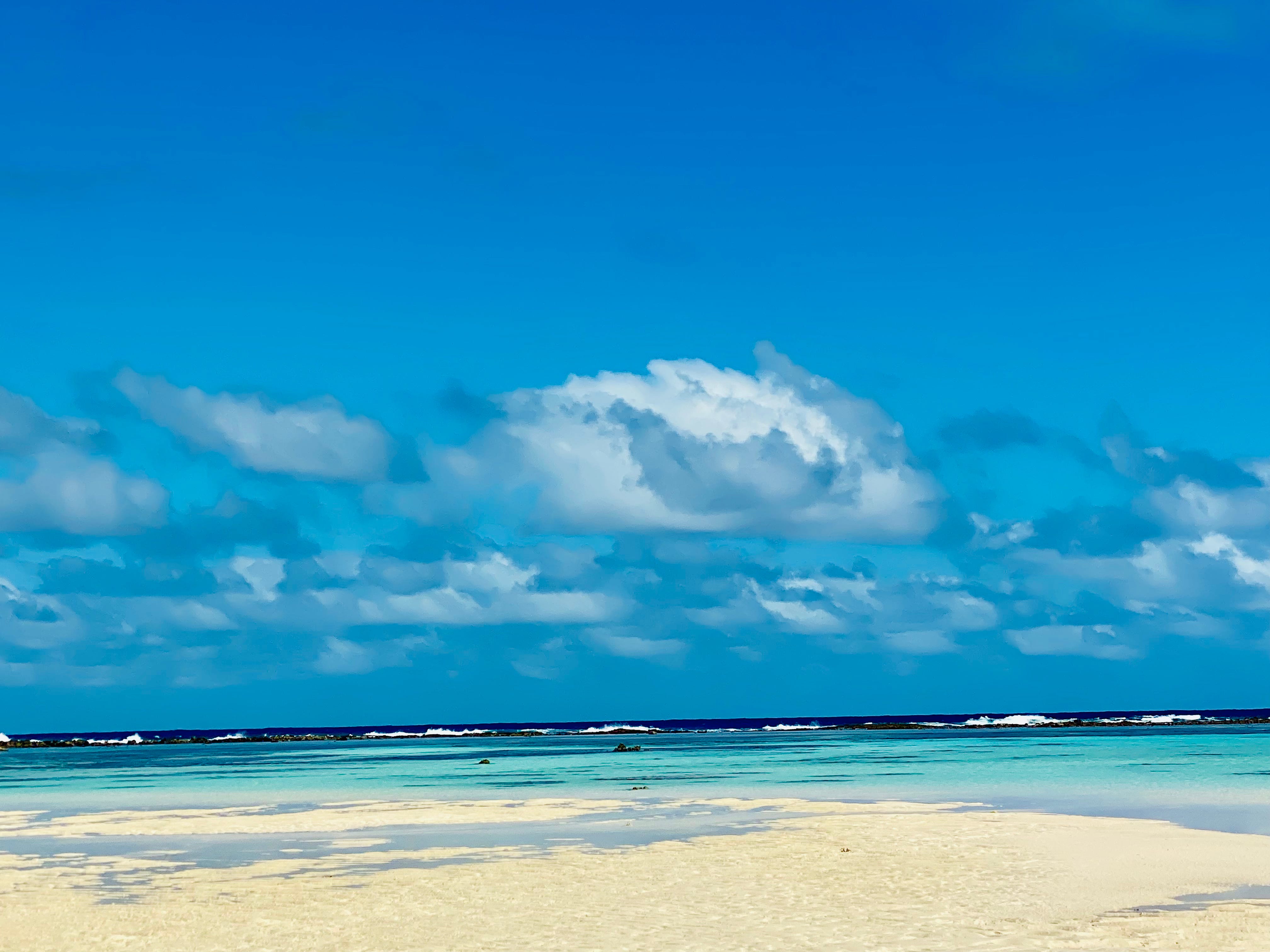
The day evaporates and the tour ends. Balavi does not ask for money, but we all give him gifts of rice, beer and sweets. He drives away, his arm flinging out his window waving good bye (‘Bye!’) as he recedes.
The next day we learn his mother died. Just like that. Unexpectedly. A rapid loss we all understood. A strange, unifying layer we all touch at some point in our lives and for a moment this little island in the middle of nowhere is no different than my neighborhood street I used to live on. Someone died -a bruise of a reminder we suffer the same.
We are invited to the funeral. It seems strange to go to such an intimate event. An all day event that starts early in the morning, breaks for breakfast and continues throughout the day at the deceased’s house.
I’m on the fence about going as I feel like an intruder, yet I’m curious how the Tongan culture pays homage to a passing life. I was planning to leave that morning, catching a weather window for Vava’u, an island 200 miles south of me.
I decide to go to the funeral with my buddy-boater. We wake early, wear black clothing and bike ten minutes down the rode, our tires crunching quietly through gravel. We veer delicately around a horse standing in the middle of the road. A dog sprawled in the road opens her eyes as we glide past.
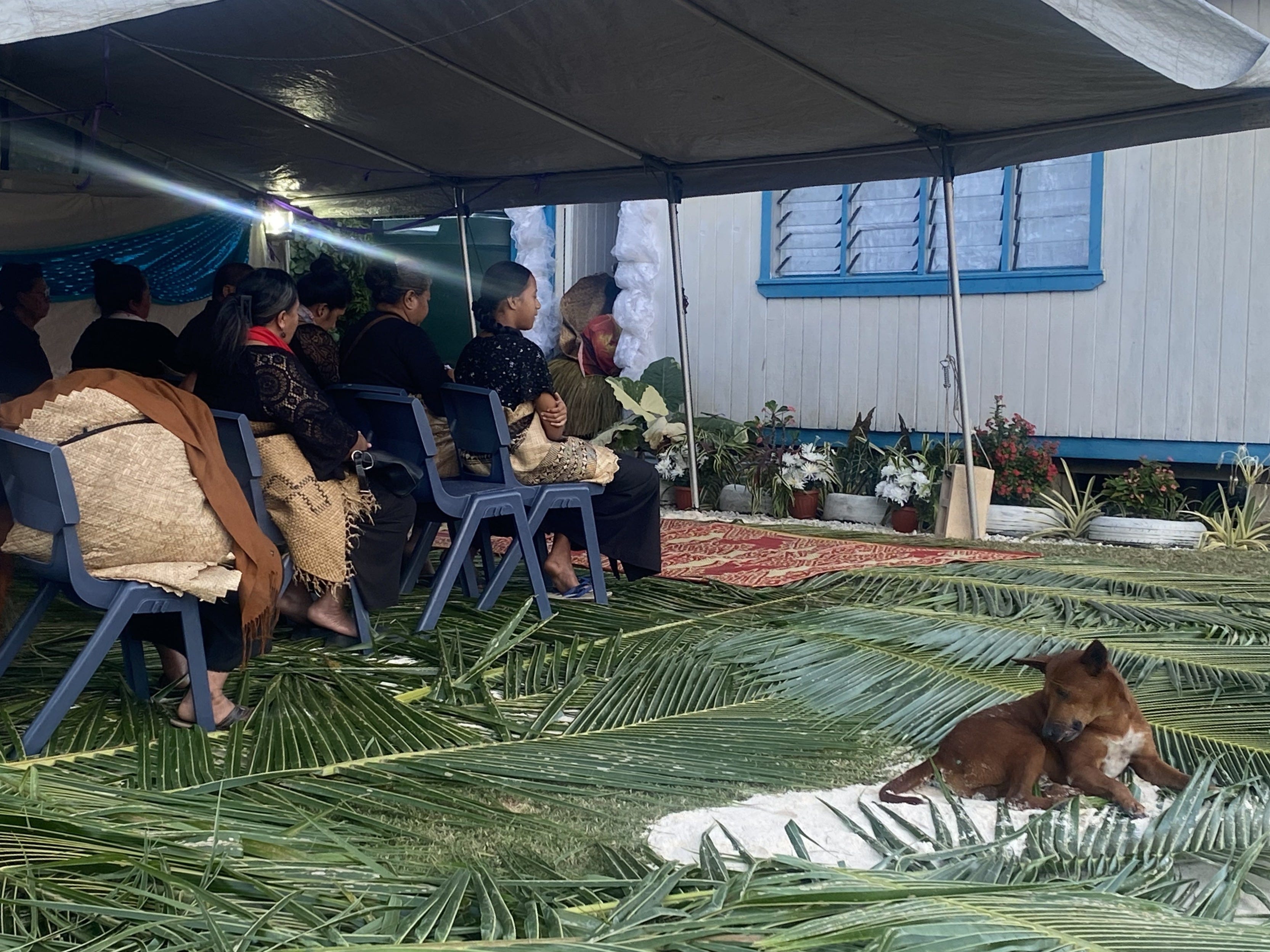
We arrive and are greeted by someone in the family who heard we were coming. We are escorted to chairs stationed near the main mourning area, where family members weep. Only later do I realize that the body is interred in the house, with many more family members inside. A long wail erupts from inside and continues, wrenching my gut -there is no mistaking grief in any language.
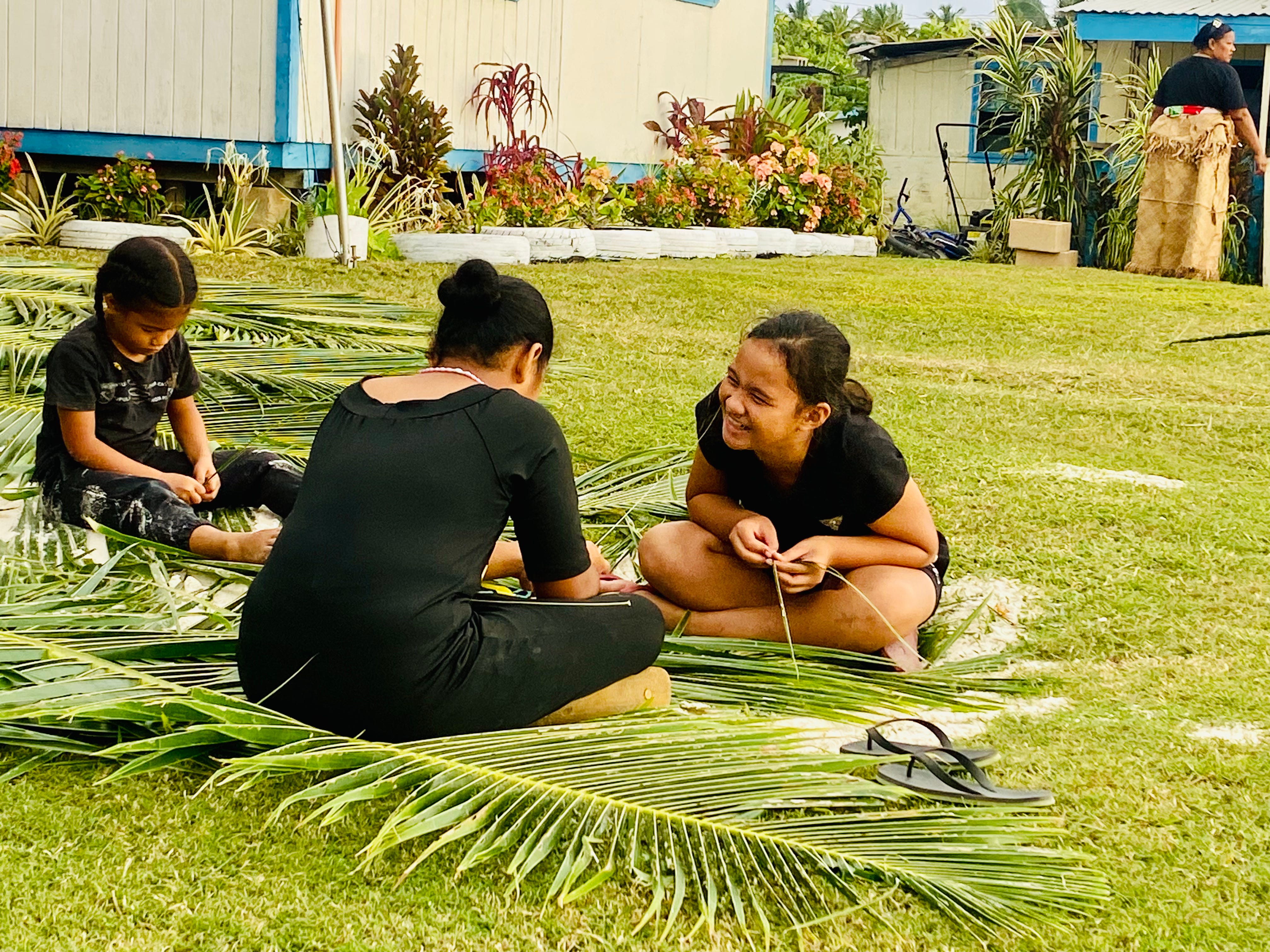
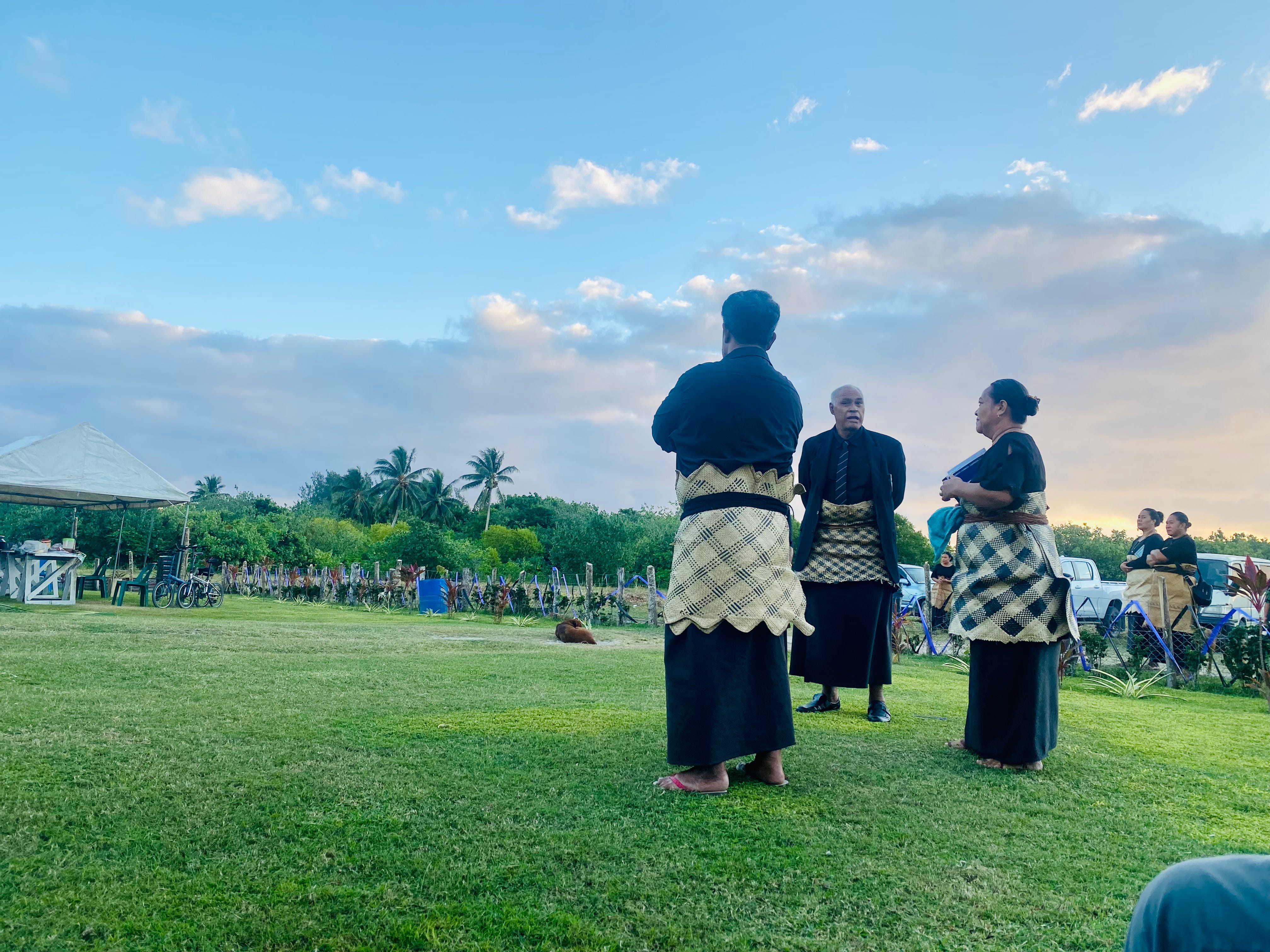
Children are respectful, but play and frolic on the lawn. A group of men gather and talk softly, their ‘lava-lava’ or Tongan skirts punctuated with a straw-mat apron of sorts, worn as a sign of respect.
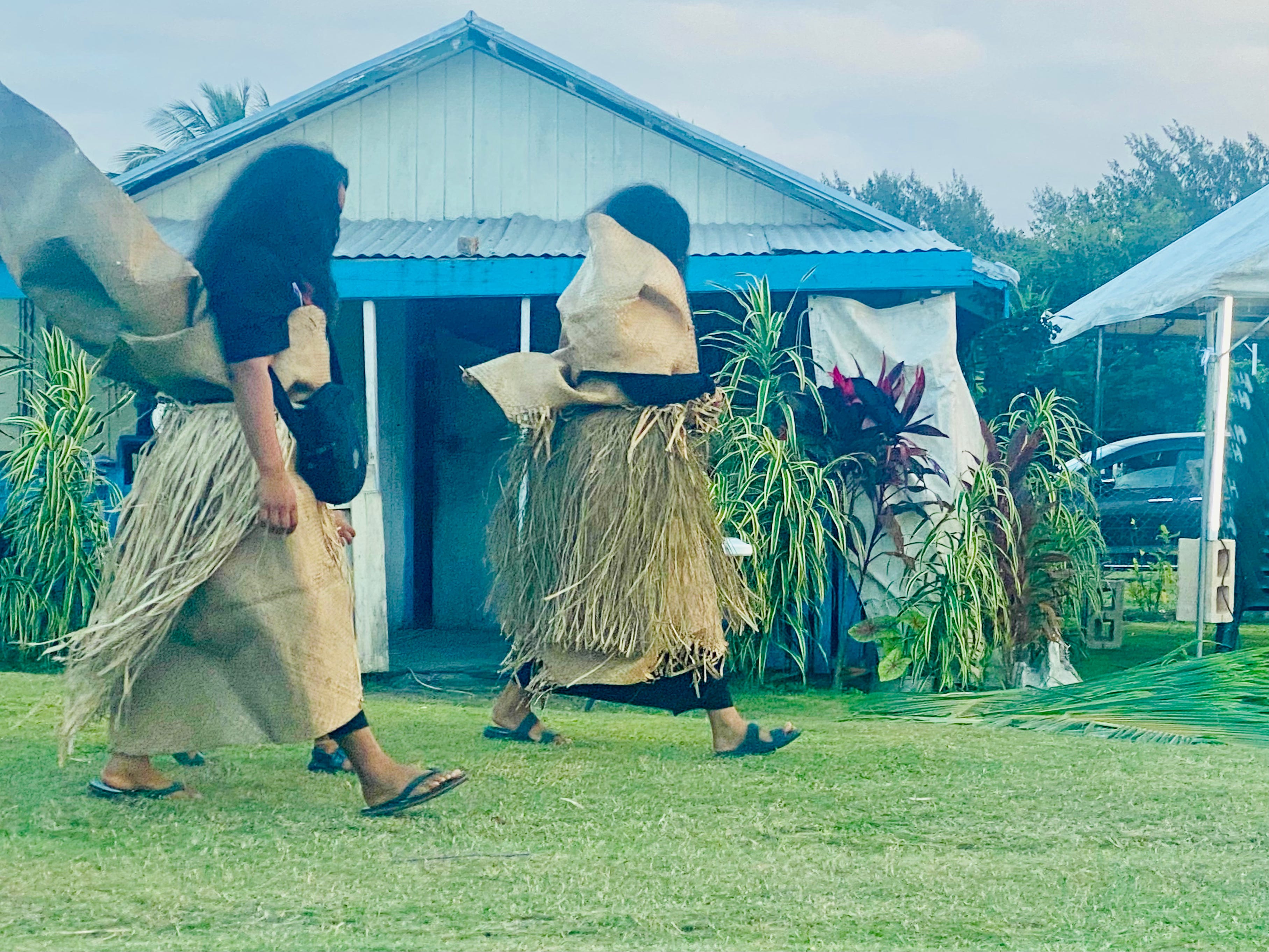
Occasionally, someone would emerge from the house, covered completely in a woven mat -a type of traditional clothing, their head obscured, their grief obvious.
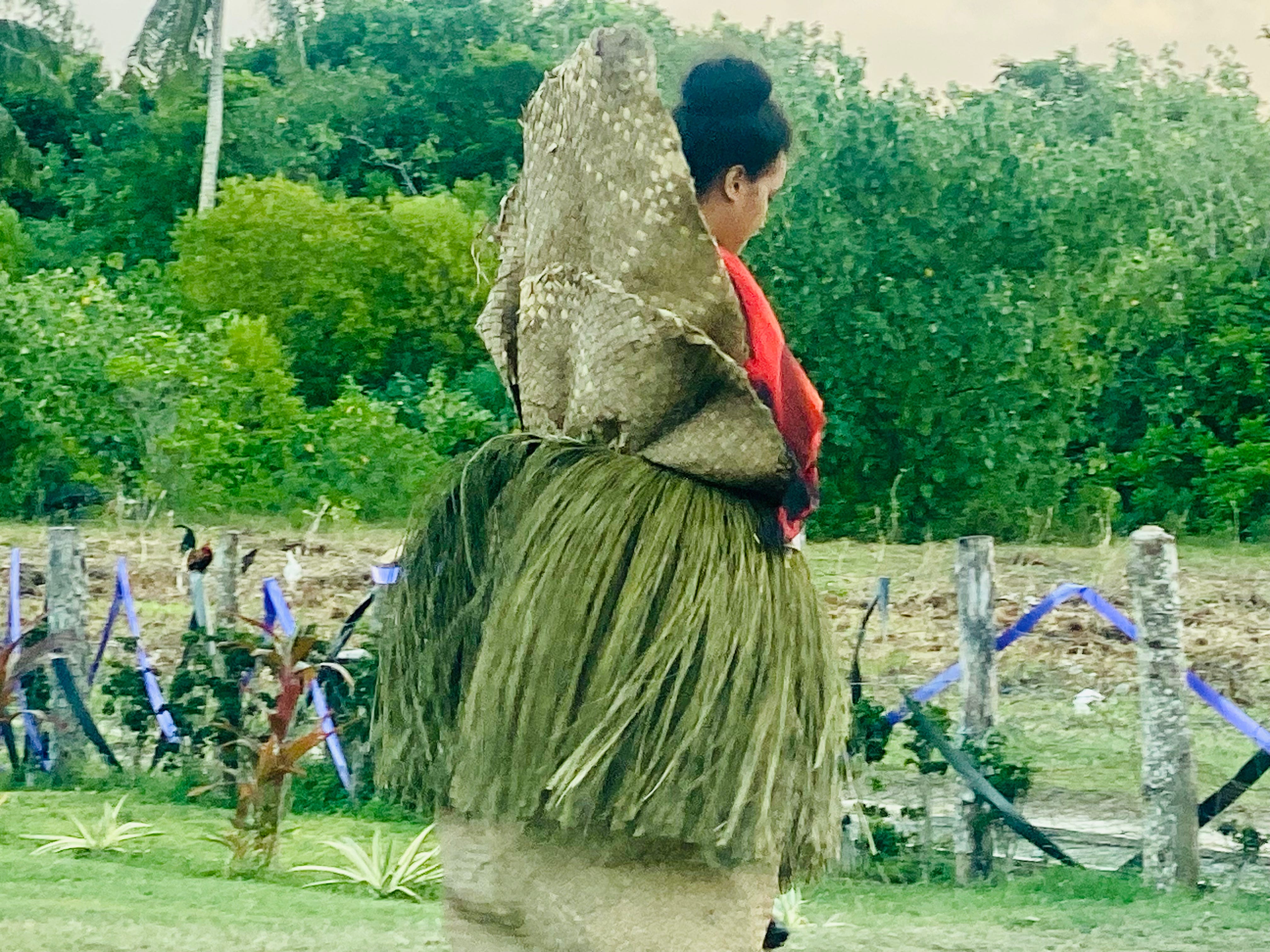
I feel like an interloper, but the family wanted us to take pictures and send them. They wanted us to stay for breakfast, but we had to leave after a few hours as we were already running late for this weather window of departure.
We said our goodbyes, softly padding across the lawn to where our bikes leaned against a pole.
“Bye!” the kids chanted as we rode away, drowning out the cries from inside the house. “Bye!” they said as they ran behind us. “Bye!” they cried one last time as we disappeared around a curve, our tires once more crunching quietly through gravel.